“on the tree” search results (10000)

Basic concepts of coffee what are the categories of coffee?
Coffee trees can be divided into two main varieties: Arabica (Arabica) and Robusta (Robusta). There are also some minor species, such as the Liberian species (Liberica) and the Alabasta species (Arabusta), but they are rare on the market. Although Arabica and Roberta are widely cultivated, there are significant differences between them. Beans are different.
2015-01-17 Coffee basic concepts categories which coffee main divided into two products
Nicaraguan coffee flavor taste lemon tree manor Nicaraguan coffee producing area
Lemon Tree Manor also processes coffee in a honey-treated way. After the coffee fruit is actually picked, the coffee with its exocarp removed is put on the African shed to dry. Compared with the traditional way of placing coffee directly on the ground to dry coffee, using African shed to dry coffee can reduce more pollution in the drying process, avoid producing more miscellaneous smell, and finally improve the quality of coffee.
2016-07-30 Nicaragua coffee flavor taste lemon tree manor producing area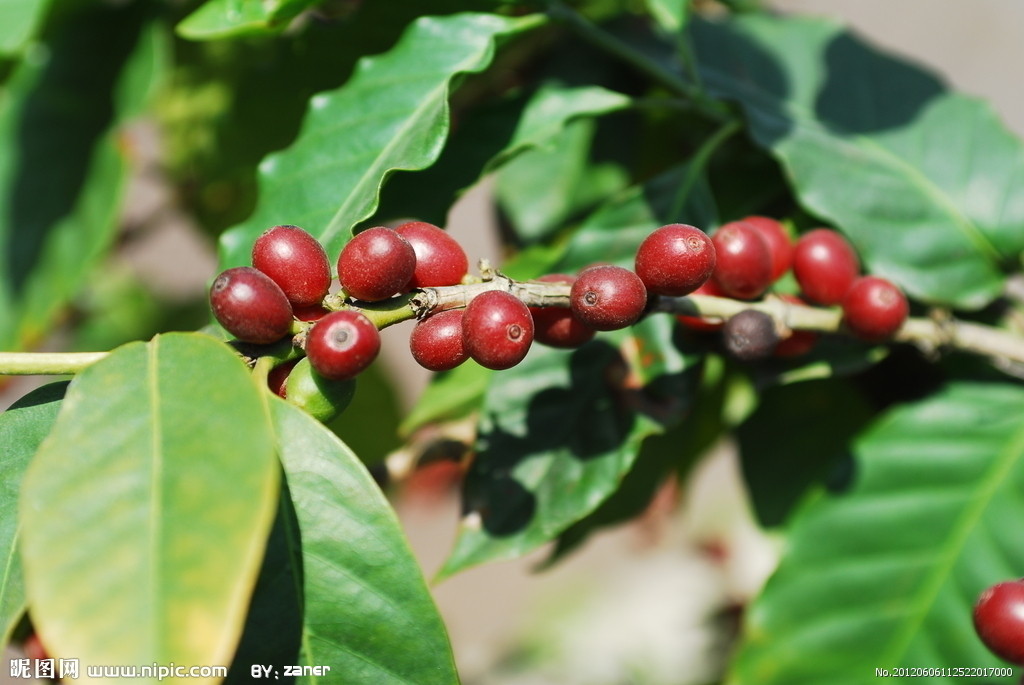
How long will it take for coffee to be planted before it can be harvested? The harvest from coffee tree planting to coffee beans is long.
Coffee trees take 3-5 years from planting to fruiting. 6-10 years of coffee trees are the most likely to bear fruit, about 15-20 years, is the harvest period. Coffee trees are usually bred in nurseries and grow into saplings, and then moved to coffee farms a year later, in full compliance with the way the Arabs planted and cultivated coffee trees. Coffee trees will continue to take root downward and upward in the first four or five years of their growth.
2016-01-07 Coffee planting how long ability harvest coffee beans long coffee knot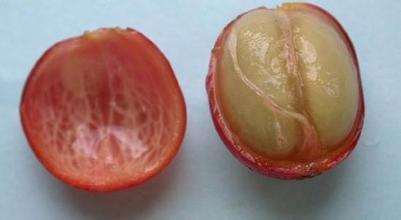
Coffee tree coffee flower coffee mature coffee spice
Coffee tree, a perennial evergreen shrub or small tree of Rubiaceae, is a horticultural perennial cash crop with the characteristics of fast growth, high yield, high value and wide market. Wild coffee trees can grow to a height of 5 to 10 meters, but coffee trees planted on the manor are often cut to less than 2 meters in order to increase their fruit and facilitate harvesting. The opposite leaves of coffee trees show
2016-03-23 Coffee growth maturity spices
What are the main types of coffee trees and where do most coffee trees grow?
The main species of coffee tree: Liberian species Liberian species or large seed species, native to Liberia in Africa, and Malaysia and a few other countries. It has a slightly shorter history than the other two coffee trees. The Liberian coffee tree is suitable for lowland cultivation. It has a tall and strong trunk, which is 18 meters high, large and tough leaves, and large fruits and coffee beans. Its seed coat clings to the kernel,
2016-05-27 coffee major category which mostly where production
Production of coffee beans coffee output
Coffee trees take 3-5 years from planting to fruiting. 6-10 years of coffee trees are the most likely to bear fruit, about 15-20 years, is the harvest period. Coffee trees are usually bred in nurseries and grow into saplings, and then moved to coffee farms a year later, in full compliance with the way the Arabs planted and cultivated coffee trees. Coffee trees will continue to take root downward and upward in the first four or five years of their growth.
2014-09-25 Coffee bean production coffee output
Varieties of coffee trees in coffee producing areas of St. Helena
Coffee is always inextricably related to history, wind and wind, and great men. St. Helena is famous for Napoleon. St. Helena coffee is very desirable because of Napoleon. Unfortunately, this kind of coffee always makes people feel mysterious. What kind of taste is Napoleon so praised? Not everyone has a chance to taste it. Coffee that has tasted a lot of gourmet coffee
2016-06-16 Sheng he Lena Coffee producing area Variety always History Fengyun people have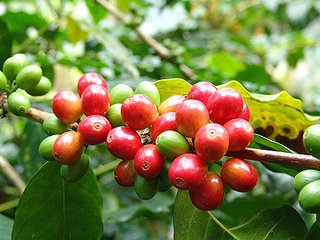
Coffee cultivation and cultivation Coffee cultivation techniques and techniques Introduction to the process of coffee green beans cultivation
(a) seedling propagation coffee seedling propagation can be divided into seed propagation and asexual propagation. 1. Seed propagation (1) Seed collection, seed washing and seed storage In the mature period of coffee (the mature period of medium seed coffee in Hainan Island is 2~3 months, and the mature period of small seed coffee is 9~11 months), fully mature fruits are picked from healthy and high-yield mother trees to make seeds. After the fruits are picked, peeling and seed washing are carried out immediately.
2016-01-22 coffee planting cultivation cultivation techniques techniques introduction green beans process
Variety types in the growth process of coffee trees
Native to Brazil, it is another hybrid tree species; somewhere between CATURRA and MUDO NOVO. The tree is usually low in shape, but slightly taller than CATURRA and easy to harvest, and the coffee fruit begins to bear fruit in late summer. It has more sour taste, and good sour taste makes you secrete salivary acid like lemon and orange, which is usually produced at high altitude and high density.
2016-06-03 Coffee growth process variety type produced in Brazil another species hybrid tree species
The study of fine coffee teaches you to plant coffee trees correctly.
One of the characteristics of a coffee tree is that its fruit can bear fruit several times a year, and another is that flowers and fruits coexist at different stages of ripening. If the fruit is too ripe, the beans in it will rot. If the beans are not ripe, the beans will not ripen by themselves. So bean pickers often go through the same tree several times to find ripe fruit, but try their best.
2014-10-16 Coffee knowledge boutique coffee science coffee tree planting
Introduction of the whole process from coffee tree to fruiting
One of the characteristics of a coffee tree is that its fruit can bear fruit several times a year, and another is that flowers and fruits (also known as cherries) coexist at different stages of ripening. The whole coffee harvest is swayed by the vagaries of nature. If the fruit is too ripe, the beans in it will rot. If it is not ripe enough, the beans picked will not ripen by themselves. So bean pickers have to go through
2016-06-13 Coffee fruit whole process introduction coffee characteristics first its fruit.
The birth of Fine Coffee Culture and Common sense Coffee beans
The lifetime of a coffee tree takes 3-5 years from planting to fruiting. 6-10 years of coffee trees are the most likely to bear fruit, about 15-20 years, is the harvest period. Coffee trees are usually bred in nurseries and grow into saplings, and then moved to coffee farms a year later, in full compliance with the way the Arabs planted and cultivated coffee trees. Coffee trees will continue to decline in the first four or five years of growth.
2014-12-26 Boutique coffee culture common sense coffee beans birth life planting knot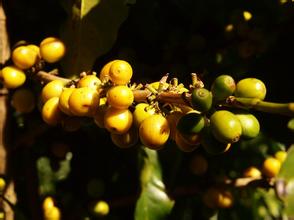
Can I plant coffee trees at home? How to plant coffee trees at home?
Six months ago, I asked for some coffee bean seeds from the landlord I worked with all the year round, planted them in my backyard, and then began to fantasize about picking coffee fruit in my yard and playing with honey. As a result, half a year passed, and the dean got a lot of grass. Ahem, where's the coffee tree we talked about? (it seems that the planting conditions of coffee trees should be popularized.) Coffee
2015-11-04 At home yes coffee trees? what?
Morphological characteristics and growth Environment of Coffee trees
Coffee is a perennial evergreen shrub or small tree of Rubiaceae. It is a horticultural perennial cash crop with the characteristics of fast growth, high yield, high value and wide market. Wild coffee trees can grow to a height of 5 to 10 meters, but coffee trees planted on the manor are often cut to less than 2 meters in order to increase their fruit and facilitate harvesting. The opposite leaves of coffee trees are long oval.
2016-06-06 Coffee morphological characteristics growth environment coffee grass perennial evergreen shrubs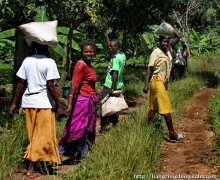
Coffee culture African coffee hometown people like to chew coffee
One thing I am very curious about is that coffee comes from Africa, but in many parts of Africa, especially in small towns and villages, few people drink coffee. This time I visited the hometown of Uganda, which is rich in coffee, and this question can basically be answered. In the village of Budadiri in Mombali, a small town near the Kenyan border in Uganda, there are many coffee farms, so-called farms, but
2014-09-30 Coffee Culture African Coffee Culture Coffee Encyclopedia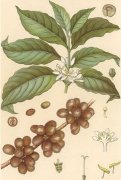
Definition of Coffee Tree basic knowledge of Fine Coffee
Coffee trees are evergreen shrubs with slender trunks and many branches. In order to facilitate harvesting, coffee trees on the farm are usually maintained at about 1.5 meters. Wild coffee trees may grow to seven or eight meters, or even as high as 10 meters. After the coffee is planted, it will take about five years to grow, blossom and bear fruit for the first time for farmers to harvest. In this long five years, the seeder can only expect; the burden of the backlog of funds.
2015-04-03 Coffee definition boutique basics common sense coffee evergreen shrub tree trunk
Basic knowledge of planting and picking Coffee trees
One of the characteristics of a coffee tree is that its fruit can bear fruit several times a year, and another is that flowers and fruits coexist at different stages of ripening. If the fruit is too ripe, the beans in it will rot. If the beans are not ripe, the beans will not ripen by themselves. So bean pickers often go through the same tree several times to find ripe fruit, but try their best.
2015-02-11 Coffee planting picking basics common sense coffee one of the characteristics that is its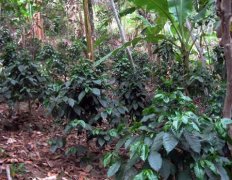
The production of high-quality coffee beans
Coffee trees take 3-5 years from planting to fruiting. 6-10 years of coffee trees are the most likely to bear fruit, about 15-20 years, is the harvest period. Coffee trees are usually bred in nurseries and grow into saplings, and then moved to coffee farms a year later, in full compliance with the way the Arabs planted and cultivated coffee trees. Coffee trees will continue to take root downward and upward in the first four or five years of their growth.
2014-09-30 Coffee knowledge boutique coffee science coffee bean production
How high is the Liberian coffee tree planting environment Variety introduction treatment Plant
The main species of coffee trees: Esesa is a variety that was only discovered in 1904. It is native to the Charlie River Basin in Africa. It has small fruit and high yield per plant, especially a drought-resistant variety. The product has a strong flavor, slightly bitter taste and less cultivation. The main species of coffee trees: the first species of Arabica is Arabica beans, which account for 70% of the world's output.
2016-10-17 Liberia coffee how high planting environment producing area variety introduction treatment plant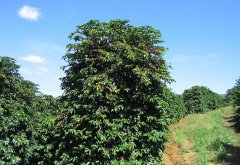
The roasting process of coffee tree fruit from coffee tree to coffee
Coffee is a perennial evergreen shrub or small tree of Rubiaceae. It is a horticultural perennial cash crop with the characteristics of fast growth, high yield, high value and wide market. Wild coffee trees can grow to a height of 5 to 10 meters, but coffee trees planted on the manor are often cut to less than 2 meters in order to increase their fruit and facilitate harvesting. The first flowering period of a coffee tree is about the age of the tree.
2015-11-05 Coffee fruit roasting process coffee grass perennial evergreen shrubs trees